
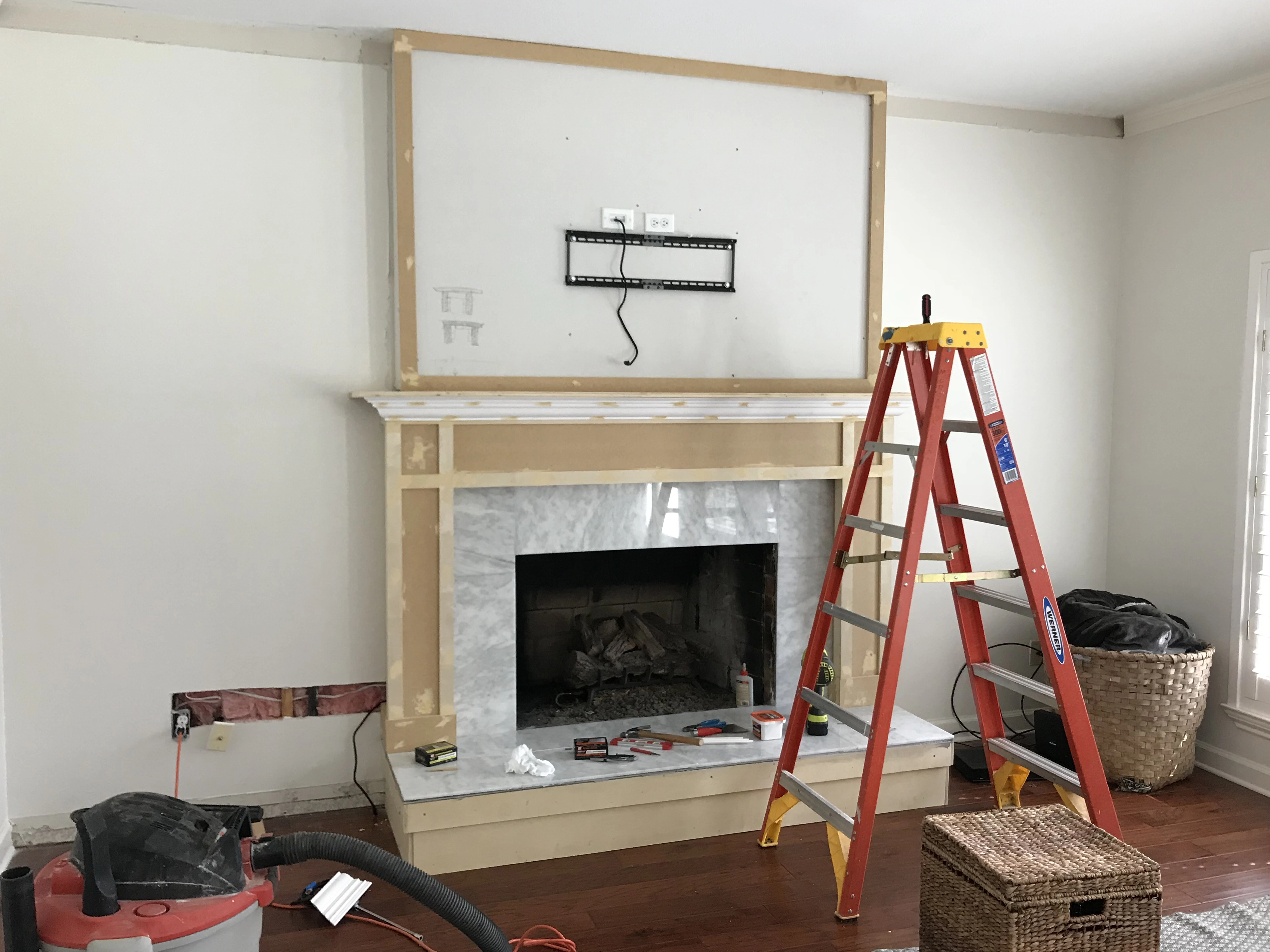
A fireplace can look unfinished without anything framing the firebox, but not every fireplace technically needs a decorative surround. What your fireplace does need is a properly finished installation that follows the required clearances, noncombustible-material provisions, manufacturer instructions, and applicable local building requirements.
That distinction matters. A fireplace surround can be a major design feature, but it can also form part of the transition between the hot fireplace opening and the surrounding wall. The correct materials and dimensions depend on whether you have a masonry fireplace, a factory-built unit, or another fireplace system.
If you are planning a fireplace update in Dallas-Fort Worth or North Texas, understanding the role of the surround can help you make design decisions without overlooking the practical side of the project.
What Is a Fireplace Surround
A fireplace surround is the finished area that frames the fireplace opening.
Depending on the design, it may cover only the area immediately around the firebox or extend upward and outward to create a larger feature wall.
Common fireplace surround materials include:
- Stone
- Tile
- Brick
- Other suitable noncombustible finishes
- Wood trim or mantels where permitted by required clearances
The surround is different from the hearth, which is the area at the bottom and in front of the fireplace. A fireplace design may incorporate both elements so they appear to be one continuous feature, but they serve different purposes.
Decorative Surrounds Versus Fireplace Safety Requirements
One of the most important things to understand is that the word surround is often used as a design term, not a specific code requirement.
You may not need a decorative frame around every fireplace. However, that does not mean the surrounding wall can be finished with any material in any location.
For masonry fireplaces, the International Residential Code includes specific restrictions on combustible materials near the fireplace opening. For example, combustible mantels and trim must remain outside specified clearance areas, with additional limitations based on how far the material projects from the fireplace face.
Factory-built fireplaces are different. Their installation, including hearth extensions and nearby materials, must follow the conditions of the fireplace's listing and the manufacturer's instructions.
This is why the existing fireplace type should be identified before choosing a surround solely based on appearance.
Why Homeowners Add Fireplace Surrounds
Even when a decorative surround is not strictly necessary for the fireplace to function, there are several reasons homeowners choose to add one.
A More Finished Appearance
A bare firebox or basic builder-grade fireplace can look disconnected from the rest of a room.
A surround creates a visual transition between the fireplace and the wall, helping the fireplace look intentional rather than added as an afterthought.
A Focal Point for the Room
Fireplaces naturally attract attention.
Stone, brick, or tile can turn an ordinary fireplace into a stronger architectural feature. Depending on the room, the surround can remain relatively simple or extend from the floor toward the ceiling for a more substantial look.
Easier Coordination With the Rest of the Home
A fireplace surround can also help connect the fireplace with other finishes already used in the room.
For example, homeowners may coordinate:
- Tile with nearby flooring
- Stone with other natural finishes
- Fireplace trim with cabinetry
- Mantel details with built-in shelving
- Colors with walls or kitchen finishes
The goal does not have to be making the fireplace dramatic. Sometimes a simpler surround works better because it allows the fireplace to feel integrated with the room.
Choosing Fireplace Surround Materials
The best material depends on both the fireplace and the look you want to achieve.
Tile Fireplace Surrounds
Tile offers a broad range of colors, patterns, shapes, and finishes.
It can work well for contemporary, traditional, and transitional rooms, depending on the tile selected. A simple large-format tile can create a cleaner appearance, while patterned or textured tile can add more visual detail.
The specific tile and installation materials still need to be appropriate for the fireplace location.
Stone Fireplace Surrounds
Stone can create a more substantial appearance and works well when the fireplace is intended to become a major architectural feature.
Depending on the home, homeowners may prefer a cleaner stone layout or a more textured, traditional appearance.
Brick Fireplace Surrounds
Brick can suit traditional homes, but it is not limited to rustic designs.
Different brick colors, patterns, and finishes can significantly change the overall appearance. Existing brick fireplaces can also sometimes become the starting point for a larger fireplace renovation rather than being completely concealed.
Wood Mantels and Trim
Wood can add warmth and help connect the fireplace with cabinetry or built-ins elsewhere in the room.
Because wood is combustible, however, its location and projection around a fireplace matter. Model residential code provisions establish minimum clearances for combustible mantel and trim around masonry fireplace openings.
For a factory-built unit, always follow the specific fireplace manufacturer's installation requirements rather than assuming that a general clearance will apply.
The Fireplace Surround and Hearth Are Not the Same Thing
The terms fireplace surround and hearth are sometimes used interchangeably, but they refer to different parts of the fireplace.
The surround generally frames the sides and upper portion of the opening. The hearth is positioned at the base of the fireplace and may extend outward onto the floor.
For masonry fireplaces, model residential code provisions require hearths and hearth extensions to be constructed with noncombustible materials and establish dimensions based on the fireplace opening.
Factory-built fireplaces again follow their listed installation requirements for the hearth extension.
When remodeling a fireplace, it is useful to plan the surround and hearth together even though they are technically separate components. Doing so can create a cleaner overall design.
Fireplace Surround Clearance Matters
A beautiful fireplace design still needs adequate space between the firebox and combustible materials.
This becomes especially important when adding:
- Wood mantels
- Decorative trim
- Built-in shelving
- Cabinetry
- Wall finishes near the fireplace
For masonry fireplaces, model residential code provisions restrict exposed combustible trim close to the opening and limit how far combustible material can project within certain clearance zones.
The exact requirements for your project can vary according to the fireplace type, manufacturer, and locally adopted building codes.
That means a fireplace remodel should not begin with a decorative layout alone. The existing fireplace and its installation requirements should guide how the surrounding design is built.
Fireplace Surround Ideas for Different Styles
There is no single surround design that works for every room.
A few common approaches include:
Simple Tile Frame
Tile installed around the immediate fireplace opening can provide a clean, understated finish without visually dominating the room.
Floor-to-Ceiling Fireplace Feature
Extending tile, stone, or another suitable finish vertically can create a stronger focal point and emphasize ceiling height.
Fireplace With a Mantel
A mantel adds another horizontal architectural element and can help balance the proportions of the fireplace.
Its placement must account for applicable combustible-material clearances.
Fireplace With Built-In Shelving
Built-ins can make the fireplace part of a larger wall composition rather than an isolated feature.
This type of design requires careful planning because cabinetry, shelving, and other combustible materials need to remain appropriately positioned around the fireplace.
Coordinated Hearth and Surround
Using complementary materials on the hearth and surround can make the entire installation feel more cohesive.
They do not necessarily need to be identical. Contrasting materials can also work when the finishes are intentionally coordinated.
Remodeling a Fireplace in North Texas
Fireplace remodeling requirements can vary among cities across Dallas-Fort Worth, Denton County, Collin County, Tarrant County, and Dallas County.
For homeowners in Highland Village, for example, the city's Building Inspections and Permits Department advises residents to contact the department before beginning construction to determine whether a permit is required. The city also uses plan review and inspections to verify applicable building-code compliance.
For that reason, homeowners should avoid assuming that a fireplace design seen online can simply be duplicated without checking the existing fireplace specifications and local requirements.
The appearance of the finished fireplace matters, but the construction behind it matters just as much.
Planning a Fireplace Surround That Fits Your Home
A fireplace surround should work with both the fireplace itself and the rest of the room.
Before settling on a design, consider:
- The type of fireplace already installed
- Required clearances around the opening
- Existing hearth configuration
- Fireplace manufacturer instructions
- Surround material
- Mantel placement
- Nearby cabinets or shelving
- Wall and flooring finishes
- Overall scale of the room
- Applicable local building requirements
Thinking through these details before selecting finishes can prevent a design from needing to be reworked later.
Fireplace Surround Remodeling in Dallas-Fort Worth
If your fireplace looks unfinished, outdated, or disconnected from the rest of your room, updating the surround can significantly change the way the entire space feels.
At Everett Home Pros, LLC, we provide fireplace surround services along with other home improvement and remodeling work throughout Dallas-Fort Worth and North Texas. We are locally owned and serve homeowners in Highland Village and across Denton, Collin, Tarrant, and Dallas counties.
Explore our fireplace surround services or call (940) 466-4636 to discuss your project.
Frequently Asked Questions
Is a Fireplace Surround Required
Not every fireplace requires a decorative surround. However, the materials and construction around the fireplace must still satisfy the requirements for that fireplace type, including applicable clearances and manufacturer instructions.
Can Drywall Go Right Up to a Fireplace
That depends on the fireplace system and its installation requirements. Do not assume standard drywall can be placed directly against every fireplace opening. Factory-built fireplaces should be finished according to their listing and manufacturer instructions, while masonry fireplaces have specific combustible-material clearance provisions.
What Materials Can Be Used for a Fireplace Surround
Common choices include stone, brick, and tile. Wood trim and mantels can also be incorporated where the applicable combustible-material clearances permit them.
Does a Fireplace Need Both a Surround and a Hearth
A surround and hearth are different components. Whether each is required depends on the fireplace type and installation. Masonry fireplaces have prescribed hearth requirements, while factory-built fireplace hearth extensions follow the fireplace's listing.
Can You Add a Surround to an Existing Fireplace
In many cases, an existing fireplace can be updated with a new surround, but the existing fireplace type, clearances, condition, and manufacturer requirements should be evaluated before installing new finishes.