
Blog
How to Clean Tile Floors: Best Methods for Every Tile Type
Published · By Lou Flores · 11 min read
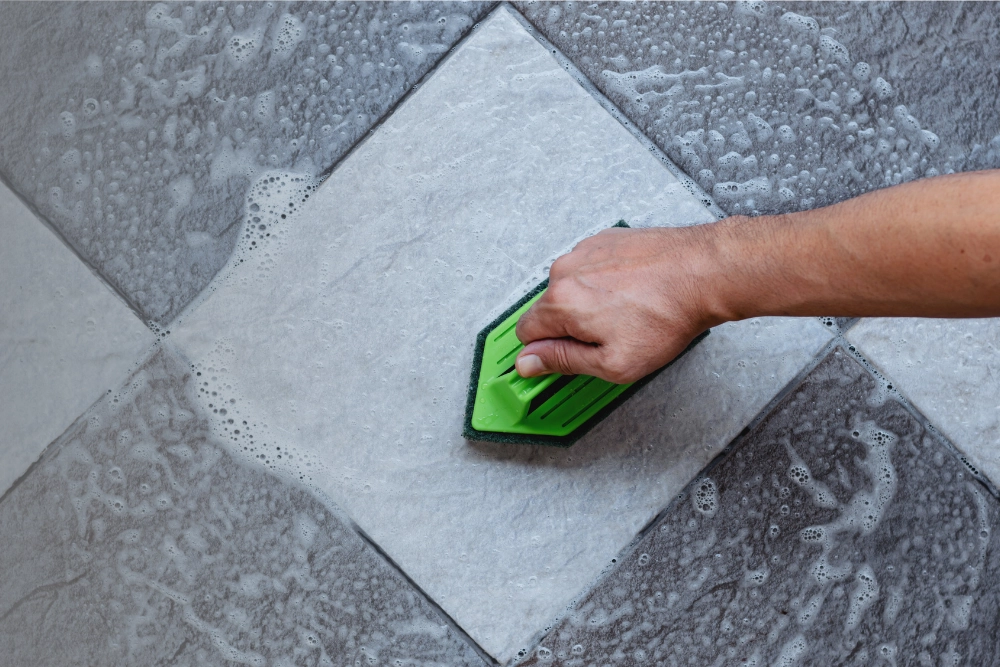
A freshly mopped tile floor can still look dull if dirt is trapped in the grout, cleaning residue is left behind, or the wrong product is used. The good news is that keeping tile floors clean doesn't have to be complicated.
The best way to clean tile floors is to remove loose dirt first, mop with a cleaner suitable for the tile material, and dry the surface to prevent streaks and residue. Ceramic and porcelain tiles are generally easy to maintain, while natural stone requires more careful product selection.
In this guide, we'll explain how to clean different types of tile floors, remove stubborn stains, care for grout, and avoid common cleaning mistakes. We'll also share practical maintenance tips to help homeowners throughout Dallas–Fort Worth and North Texas keep their flooring looking its best.
How to Clean Tile Floors Step by Step
Regular cleaning helps prevent dirt, grit, and spills from building up on tile surfaces. Before you begin, identify your tile material and check the manufacturer's cleaning recommendations.
For most ceramic and porcelain floors, follow these steps:
-
Sweep or vacuum the floor. Remove dust, crumbs, pet hair, and loose debris using a soft-bristle broom or a vacuum designed for hard flooring.
-
Prepare a cleaning solution. Mix a small amount of manufacturer-approved, pH-neutral floor cleaner with water according to the product instructions.
-
Mop the floor. Use a microfiber mop or soft mop head. Work in manageable sections without soaking the floor.
-
Pay attention to grout lines. Gently scrub dirty grout with a soft nylon brush and a grout-safe cleaner.
-
Remove cleaning residue. If the product instructions require rinsing, use a clean, lightly dampened mop.
-
Dry the floor. Allow the surface to air-dry or wipe it with a clean microfiber cloth to minimize streaks.
Avoid using excessive water, particularly around damaged grout, unsealed surfaces, or areas where moisture could penetrate beneath the flooring.
How to Clean Different Types of Tile Floors
Not all tiles respond to cleaning products in the same way. Understanding the material is essential for choosing an appropriate cleaning method.
How to Clean Ceramic Tile Floors
Ceramic tile is a popular flooring material because it is durable, versatile, and relatively easy to maintain.
For glazed ceramic tile:
-
Sweep or vacuum regularly to remove abrasive dirt.
-
Mop with warm water and a mild, tile-safe cleaner.
-
Use a soft brush for textured surfaces or stubborn dirt.
-
Remove excess moisture and cleaning residue after mopping.
Avoid abrasive scrubbers that could scratch or dull the glaze. Unglazed ceramic tile may require different cleaning and sealing practices, so always follow the manufacturer's instructions.
How to Clean Porcelain Tile Floors
Porcelain tile is dense and generally has low water absorption, making it suitable for many busy household spaces.
To clean porcelain tile floors:
-
Remove loose dirt using a soft broom or vacuum.
-
Mop with a porcelain-compatible cleaner.
-
Gently scrub textured areas where dirt collects.
-
Rinse when required by the cleaner instructions.
-
Dry the floor to reduce water spots and streaks.
Polished porcelain may show residue more easily than matte finishes. Using too much detergent can leave a cloudy film, so follow the recommended dilution.
How to Clean Natural Stone Tile Floors
Natural stone materials, including marble, travertine, limestone, and slate, require more careful maintenance.
Some natural stones are sensitive to acidic cleaning products, which can damage their surfaces.
For natural stone flooring:
-
Choose a pH-neutral cleaner specifically approved for the stone type.
-
Avoid vinegar, lemon juice, and acidic bathroom cleaners.
-
Use soft microfiber mops rather than abrasive brushes.
-
Clean spills promptly to reduce staining.
-
Follow the stone supplier's recommendations for sealing and ongoing maintenance.
Important: Do not assume that a product labeled as a tile cleaner is suitable for natural stone. Always verify compatibility before applying it.
Best Cleaning Methods by Tile Type
- Ceramic: Use a soft mop and mild tile-safe cleaner. Avoid abrasive scrubbers.
- Porcelain: Use a microfiber mop and porcelain-safe cleaner. Avoid excess detergent.
- Marble: Use a stone-safe pH-neutral cleaner. Avoid vinegar and acidic cleaners.
- Travertine: Use a soft mop and approved stone cleaner. Avoid acidic products.
- Slate: Use a stone-specific cleaner and soft mop. Avoid harsh chemicals.
Always follow the tile and cleaning product manufacturers' recommendations, particularly for specialty finishes and natural stone.
How to Clean Grout on Tile Floors
Even when tiles look clean, dirty grout can make the entire floor appear discolored.
Grout lines are often slightly recessed, allowing dirt and cleaning residue to accumulate. Some grout materials are also porous and can absorb moisture or stains.
Steps for Cleaning Tile Grout
-
Sweep or vacuum to remove loose debris.
-
Apply a grout cleaner compatible with the tile and grout materials.
-
Allow the cleaner to work for the time specified on its label.
-
Gently scrub using a soft nylon grout brush.
-
Remove the loosened dirt and cleaning solution.
-
Rinse if directed and allow the grout to dry.
Avoid metal brushes or aggressive scrubbing, which may damage grout joints.
If grout remains discolored after cleaning, the issue may involve deep staining, deterioration, or moisture-related problems rather than ordinary surface dirt.
Should You Seal Tile Grout?
Some cement-based grout products benefit from sealing to reduce moisture absorption and staining. However, not every grout type requires sealing.
Epoxy grout, for example, typically does not need the same sealing treatment as traditional cement-based grout.
Check the grout manufacturer's instructions before applying any sealer.
How to Clean Kitchen Tile Floors
Kitchen floors experience frequent foot traffic, cooking spills, food crumbs, and grease buildup.
The best cleaning routine focuses on removing spills promptly and preventing grease from accumulating.
For kitchen tile flooring:
-
Sweep or vacuum regularly, especially around cooking areas.
-
Wipe up food and beverage spills promptly.
-
Use a tile-compatible cleaner designed to remove grease when necessary.
-
Pay attention to grout around sinks, stoves, and preparation areas.
-
Avoid leaving standing water near cabinets and floor transitions.
For stubborn grease, use a product specifically approved for the tile material rather than increasing the concentration of ordinary cleaning chemicals.
How to Clean Bathroom Tile Floors
Bathroom tile floors are exposed to moisture, soap residue, and personal care products.
To maintain bathroom flooring:
-
Remove loose hair and debris before mopping.
-
Use a tile-safe cleaner appropriate for the floor material.
-
Clean grout lines and corners where residue accumulates.
-
Dry wet areas and improve ventilation to help reduce persistent moisture.
-
Inspect grout and sealant for cracks or deterioration.
If you notice recurring discoloration, persistent dampness, or loose tiles, cleaning alone may not resolve the underlying problem.
For homeowners planning a bathroom renovation, our bathroom remodeling services can help you explore flooring and design improvements suited to your space.
How to Remove Stubborn Stains From Tile Floors
Different stains require different cleaning approaches. Before treating a stain, identify both the substance and the tile material.
Food and Beverage Stains
Blot spills promptly rather than spreading them across the floor. Use a tile-compatible cleaner and a soft cloth to remove remaining residue.
For natural stone, avoid household stain-removal solutions unless the stone manufacturer approves them.
Grease and Oil
Use a manufacturer-approved degreasing cleaner appropriate for the tile surface.
Avoid harsh solvents or concentrated chemicals that could affect grout, sealers, or specialty finishes.
Hard Water Deposits
Mineral deposits can leave visible marks on bathroom floors, especially near showers and other frequently wet areas.
Use a product specifically approved for the tile material. Acidic descalers can damage marble, limestone, travertine, and other acid-sensitive surfaces.
Persistent Grout Stains
A suitable grout cleaner and soft brush may remove surface staining.
If discoloration remains, consult a qualified flooring professional before using stronger chemicals or attempting grout restoration.
Common Tile Floor Cleaning Mistakes to Avoid
Using the wrong cleaning technique can make flooring harder to maintain and, in some cases, damage the surface.
Here are several common mistakes:
1. Using vinegar on every tile type
Vinegar is acidic and can damage acid-sensitive natural stone. It may also affect certain grout and sealant materials.
2. Applying too much cleaner
Excess cleaning solution can leave sticky or cloudy residue that attracts additional dirt.
3. Skipping sweeping before mopping
Loose grit can scratch vulnerable finishes and spread dirt across the floor.
4. Using abrasive brushes
Steel wool and other abrasive tools can damage polished surfaces, grout, and protective finishes.
5. Leaving floors excessively wet
Standing water can create slip hazards and may contribute to moisture problems where grout or floor assemblies are compromised.
6. Using steam cleaners without checking compatibility
Steam cleaning is not suitable for every tile, grout, adhesive, or flooring system. Always verify that the flooring manufacturer permits it.
How Often Should You Clean Tile Floors?
Cleaning frequency depends on foot traffic, household activities, pets, and the room's use.
The following schedule is a practical starting point for many homes.
- Daily or as needed: Remove spills and visible debris.
- Several times weekly: Sweep or vacuum busy areas.
- Weekly: Mop with a suitable cleaner.
- Monthly or as needed: Inspect and clean grout lines.
- Periodically: Check grout, sealant, and tile condition.
Homes with pets, children, or heavy foot traffic may require more frequent cleaning.
Tile Floor Maintenance Tips for North Texas Homeowners
In Dallas–Fort Worth and surrounding North Texas communities, dirt, dust, and outdoor debris can easily enter homes through frequently used entrances.
Regular maintenance can help protect flooring from abrasive particles carried indoors.
Consider these habits:
-
Place entry mats near exterior doors to reduce tracked-in dirt.
-
Use felt pads beneath furniture legs to help prevent scratches.
-
Clean spills promptly, particularly on grout and natural stone.
-
Use appropriate cleaning products for your specific tile material.
-
Inspect grout lines and flooring transitions periodically.
-
Avoid dragging heavy furniture across tile surfaces.
If you're planning to replace worn or outdated flooring, selecting the right tile material and installation method can also make long-term maintenance easier.
Our tile floor installation services can help you explore flooring options that balance durability, appearance, and everyday practicality.
When Cleaning Is No Longer Enough
Routine cleaning can remove surface dirt and many common stains, but it cannot correct every flooring problem.
Some signs that your floor may need professional evaluation include:
-
Cracked or broken tiles
-
Loose or shifting tiles
-
Repeatedly deteriorating grout
-
Uneven flooring surfaces
-
Persistent moisture-related discoloration
-
Extensive wear that affects the appearance or function of the floor
These problems may indicate issues beyond ordinary maintenance.
If your tile flooring is damaged or you're considering a new look for your home, we can help you discuss suitable replacement and installation options.
Frequently Asked Questions
What is the best way to clean tile floors?
For most ceramic and porcelain tile floors, remove loose dirt, mop with a compatible mild cleaner, rinse when necessary, and dry the surface. Natural stone requires cleaning products specifically approved for that material.
Can I use vinegar to clean tile floors?
Vinegar should not be used on acid-sensitive natural stone such as marble, limestone, or travertine. Because compatibility varies among tile finishes, grout, and sealers, a manufacturer-approved cleaner is generally a safer choice.
How do you clean tile floors without leaving streaks?
Use the recommended amount of cleaning solution, avoid oversaturating the mop, change dirty water regularly, and remove residue as directed. Drying with a clean microfiber cloth can also help reduce streaking.
How do you clean grout without damaging it?
Use a grout-compatible cleaner and a soft nylon brush. Avoid metal brushes, excessive scrubbing, and chemicals that are incompatible with the grout or surrounding tile.
Can you use a steam mop on tile floors?
Only if the tile, grout, adhesive, and flooring system manufacturers permit steam cleaning. Heat and moisture may affect certain materials, finishes, or installation conditions.
How often should tile floors be mopped?
Weekly mopping is a reasonable starting point for many households. High-traffic kitchens, entryways, and bathrooms may need more frequent cleaning depending on how quickly dirt and residue accumulate.
Keep Your Tile Floors Looking Their Best
Knowing how to clean tile floors starts with understanding the material beneath your feet. Ceramic, porcelain, and natural stone all benefit from regular maintenance, but the cleaning products and methods should match their specific requirements.
With appropriate cleaning habits, you can help preserve your flooring's appearance and reduce unnecessary wear.
If your existing floors are damaged, outdated, or no longer suited to your home, we're here to help you explore your options.
At Everett Home Pros, LLC, we offer tile floor installation and home improvement services throughout Dallas–Fort Worth and North Texas, including Denton, Collin, Tarrant, and Dallas counties.
Explore our tile floor installation services or call (940) 466-4636 to discuss your flooring project.